
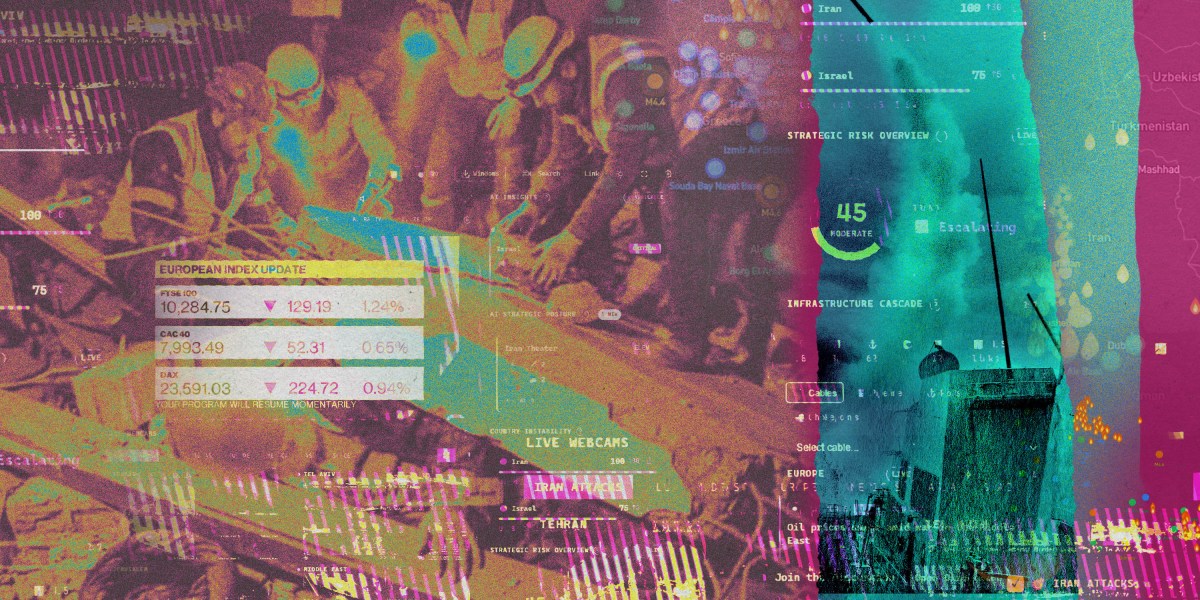
Iran Tech War Escalates as AI Plays Key Role in Conflict
The Iran tech war has entered a new phase, with artificial intelligence (AI) playing an increasingly crucial role in the conflict. The use of AI-powered tools by both sides is raising concerns about the potential for technological escalation and the blurring of lines between traditional warfare and cyber warfare.
Understanding the Conflict
The Iran tech war refers to the ongoing tensions between Iran and its adversaries, particularly the United States, over issues such as nuclear proliferation, regional security, and economic interests. The conflict has been marked by a series of military strikes, cyber attacks, and intelligence operations, with each side attempting to outmaneuver the other.
One notable example of AI’s role in the conflict is the use of machine learning algorithms to analyze satellite imagery and detect potential targets for missile strikes. This technology has been developed by the US military, including the Pentagon’s Defense Innovation Unit Experimental (DIU X), which has partnered with companies like Google to develop AI-powered tools.
Iran’s Response
Iran has responded by developing its own AI capabilities, including a range of machine learning algorithms and natural language processing systems. The Iranian government has established several research centers focused on AI development, including the University of Tehran’s Institute for Advanced Studies in Computer Science.
One notable example of Iran’s AI-powered efforts is the use of a machine learning model called “CLASP” (Computer Learning Algorithm for Strategic Planning). CLASP is designed to analyze vast amounts of data and provide strategic recommendations to policymakers. While details about the exact capabilities of CLASP are scarce, sources suggest that it has been used to inform Iranian military planning and decision-making.
The Iran Tech War Escalates
The use of AI in the Iran tech war has led to a significant escalation of tensions between the two sides. In recent months, there have been several reported instances of cyber attacks attributed to Iran, including attempts to breach US government computer systems and disrupt critical infrastructure.
In response, the US has increased its efforts to counter Iranian cyber threats, including the deployment of new AI-powered tools designed to detect and disrupt Iranian hacking operations. These efforts include the use of machine learning algorithms to analyze network traffic patterns and identify potential vulnerabilities.
The Global Implications
The Iran tech war highlights the growing importance of AI in modern conflict. As the use of AI-powered tools becomes more widespread, there are concerns about the potential for technological escalation and the blurring of lines between traditional warfare and cyber warfare.
The global implications of this trend are significant, with many countries seeking to develop their own AI capabilities to stay ahead of emerging threats. The Iran tech war serves as a reminder that the development and deployment of AI-powered tools must be carefully managed to prevent unintended consequences and ensure that they are used responsibly.
As the conflict continues to escalate, it is essential for policymakers and technologists to engage in open and transparent discussions about the role of AI in modern warfare. This will require a deep understanding of the technical capabilities and limitations of AI-powered tools, as well as a commitment to developing norms and standards for their use.
In conclusion, the Iran tech war represents a significant turning point in the development and deployment of AI-powered tools in conflict. As the use of these technologies continues to grow, it is essential that we prioritize responsible innovation and careful consideration of the potential consequences.
The international community must come together to establish clear guidelines and regulations for the development and use of AI in conflict zones. This will require a collaborative effort from governments, technology companies, and civil society organizations.
One potential solution is the establishment of a global framework for AI development and deployment, similar to the existing norms and standards governing nuclear proliferation. This framework could include guidelines for transparency, accountability, and human rights considerations in the use of AI-powered tools.
In addition, there is a growing need for greater investment in research and development focused on mitigating the risks associated with AI-powered warfare. This includes efforts to improve the accuracy and reliability of AI systems, as well as developing new technologies and techniques for detecting and countering AI-generated threats.
Another area of concern is the potential for AI-powered tools to be used in ways that exacerbate existing inequalities and vulnerabilities. For example, the use of AI-powered surveillance systems can disproportionately affect marginalized communities and perpetuate existing power imbalances. Related: Learn more about this topic.
To address these concerns, it is essential to prioritize human-centered design and development principles when creating AI-powered tools. This includes ensuring that these tools are transparent, explainable, and accountable, as well as being designed with consideration for the needs and rights of all users.
Furthermore, there is a growing recognition among experts and policymakers that the Iran tech war represents a unique opportunity to rethink our approach to conflict resolution and international relations in the age of AI. This includes exploring new forms of cooperation and collaboration, such as joint research initiatives and public-private partnerships, to address shared challenges and promote global stability.
The Iran tech war also highlights the need for greater investment in education and training programs focused on AI development and deployment. This includes efforts to build capacity among governments, civil society organizations, and technology companies to develop and deploy AI-powered tools responsibly and effectively.
In conclusion, the Iran tech war represents a significant turning point in the development and deployment of AI-powered tools in conflict zones. As we move forward, it is essential that we prioritize responsible innovation, careful consideration of the potential consequences, and human-centered design principles when creating these technologies.
The global implications of this trend are far-reaching and multifaceted, with significant implications for international relations, global security, and human rights. The Iran tech war serves as a reminder that the development and deployment of AI-powered tools must be carefully managed to prevent unintended consequences and ensure that they are used responsibly.
Ultimately, the future of AI in conflict zones will depend on our ability to navigate these complex challenges and develop innovative solutions that balance the benefits of technological progress with the need for human security and dignity. By working together and prioritizing responsible innovation, we can create a more peaceful and stable world in which AI-powered tools are used to promote global stability and prosperity.
The Iran tech war will continue to be a major focus of international attention in the coming years, as countries and organizations seek to develop and deploy AI-powered tools responsibly and effectively. As this story continues to unfold, one thing is clear: the future of AI in conflict zones will depend on our ability to balance technological progress with human security and dignity.
In the end, the Iran tech war represents a stark reminder that the development and deployment of AI-powered tools are not just technical challenges, but also moral and ethical ones. As we move forward, it is essential that we prioritize responsible innovation, careful consideration of the potential consequences, and human-centered design principles when creating these technologies.
The world will be watching with bated breath as this story continues to unfold, and the international community must come together to address the complex challenges posed by AI-powered warfare. By prioritizing responsible innovation, cooperation, and human security, we can create a more peaceful and stable world in which AI-powered tools are used to promote global stability and prosperity.