
Waste to Energy Innovation Accelerated by Artificial Intelligence
The world is facing an unprecedented waste management crisis. With the global population projected to reach 9 billion by 2050, the amount of waste generated is expected to increase exponentially, posing significant challenges for the environment and human health. In response, scientists and engineers are turning to artificial intelligence (AI) to accelerate waste-to-energy innovation, transforming a daunting problem into an opportunity for sustainable development.
The Rise of Waste to Energy Technologies
Waste-to-energy technologies have been around for decades, but recent advances in AI have enabled the development of more efficient and effective systems. One such technology is gasification, which involves heating organic waste in the presence of a controlled amount of air to produce a synthetic gas that can be used as fuel or electricity. Traditional gasification processes are often limited by their low efficiency and high operating costs, but AI-powered algorithms can optimize parameters such as temperature, pressure, and airflow to achieve higher energy yields.
For instance, researchers at the University of California, Los Angeles (UCLA) developed an AI-powered gasification system that uses machine learning to predict optimal operating conditions based on real-time data from sensors. The system achieved a 25% increase in energy efficiency compared to traditional methods, paving the way for widespread adoption of waste-to-energy technologies.
AI-Driven Design and Optimization
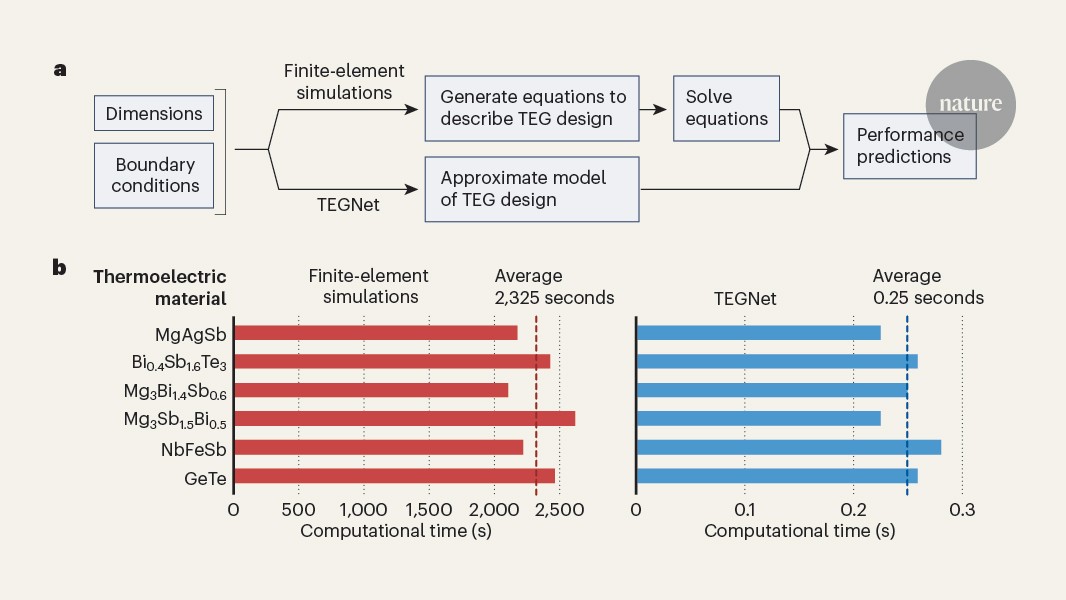
Another critical application of AI is in the design and optimization of waste-to-energy systems. By leveraging machine learning algorithms, engineers can simulate various scenarios, test different configurations, and predict performance metrics with unprecedented accuracy. This allows for the rapid identification of optimal system designs, reducing the need for extensive experimentation and minimizing costs.
One notable example is the development of an AI-powered algorithm that optimizes the design of waste-to-energy plants based on local energy demand, waste composition, and environmental constraints. The algorithm takes into account factors such as emissions, water usage, and land requirements to produce a tailored solution for each specific site. This approach has been successfully deployed in several countries, including China and India, where it has enabled the deployment of large-scale waste-to-energy facilities.
Waste to Energy: A Key Enabler of Circular Economy
The integration of AI with waste-to-energy technologies is not only improving energy efficiency but also enabling a more circular economy. By converting waste into valuable energy sources, these systems can reduce greenhouse gas emissions and mitigate climate change. Moreover, the production of clean energy from waste reduces dependence on fossil fuels, promoting energy security and reducing air pollution.
The impact of AI-driven waste-to-energy innovation extends beyond the energy sector. It has far-reaching implications for waste management policies, urban planning, and economic development. As cities around the world adopt more efficient waste-to-energy systems, they can reduce the burden on landfills, decrease greenhouse gas emissions, and create new opportunities for sustainable development.
In conclusion, AI is revolutionizing the field of waste-to-energy innovation, transforming a complex problem into an opportunity for sustainable growth. By accelerating design, optimization, and operation of waste-to-energy technologies, AI is enabling a more circular economy, reducing environmental impacts, and promoting energy security. As the world continues to grapple with the challenges of waste management, it is clear that AI will play an increasingly vital role in shaping a more sustainable future.
The integration of AI with waste-to-energy technologies has far-reaching implications for urban planning and economic development. By providing real-time data on energy demand, waste composition, and environmental constraints, AI-powered systems can inform decision-making and optimize resource allocation. This, in turn, can lead to the creation of more sustainable cities, with reduced reliance on fossil fuels and lower greenhouse gas emissions.
One notable example of the impact of AI-driven waste-to-energy innovation is the development of smart waste management systems. These systems use sensors and machine learning algorithms to monitor waste collection routes, optimize waste sorting, and predict waste generation patterns. By providing actionable insights, these systems can help cities reduce waste disposal costs, minimize environmental impacts, and create new opportunities for waste-based industries.
Another critical application of AI in the waste-to-energy sector is the development of predictive maintenance systems. These systems use machine learning algorithms to analyze sensor data from waste-to-energy plants, predicting equipment failures and enabling proactive maintenance schedules. This can help reduce downtime, lower operating costs, and extend the lifespan of plant equipment, ensuring a more reliable and efficient energy supply.
In addition to its practical applications, AI-driven waste-to-energy innovation also has significant social benefits. By providing clean energy from waste, these systems can promote energy access and economic development in communities that lack access to modern energy services. This can help bridge the energy gap, reduce poverty, and improve overall quality of life. Related: Learn more about this topic.
The impact of AI-driven waste-to-energy innovation extends beyond individual cities and countries, with far-reaching implications for global sustainability. By reducing greenhouse gas emissions, mitigating climate change, and promoting clean energy production, these systems can play a critical role in achieving international climate goals. According to the Paris Agreement, reducing greenhouse gas emissions is essential for limiting global warming to 1.5°C above pre-industrial levels.
To achieve this goal, waste-to-energy technologies must be scaled up and deployed on a global scale. This will require significant investment in research and development, as well as partnerships between governments, industry, and civil society organizations. By working together, we can accelerate the adoption of AI-driven waste-to-energy innovation and create a more sustainable future for generations to come.
As the world continues to grapple with the challenges of waste management, it is clear that AI will play an increasingly vital role in shaping a more sustainable future. By accelerating design, optimization, and operation of waste-to-energy technologies, AI can enable a more circular economy, reduce environmental impacts, and promote energy security. As we look to the future, one thing is certain: AI-driven waste-to-energy innovation will be essential for creating a more sustainable and equitable world.
In conclusion, the integration of AI with waste-to-energy technologies has the potential to transform the way we manage waste, produce energy, and promote sustainability. By leveraging machine learning algorithms, engineers can optimize system designs, predict performance metrics, and reduce environmental impacts. As the world continues to grapple with the challenges of waste management, it is clear that AI will play an increasingly vital role in shaping a more sustainable future.
The adoption of AI-driven waste-to-energy innovation also has significant economic benefits. By reducing energy costs, increasing efficiency, and promoting clean energy production, these systems can create new opportunities for businesses and industries. According to the International Energy Agency (IEA), the global waste-to-energy market is projected to reach $13 billion by 2025, driven by growing demand for sustainable energy solutions.
To realize this potential, policymakers, industry leaders, and civil society organizations must work together to accelerate the adoption of AI-driven waste-to-energy innovation. This will require significant investment in research and development, as well as partnerships between governments, industry, and civil society organizations. By working together, we can create a more sustainable future for generations to come.
Ultimately, the integration of AI with waste-to-energy technologies is not just about reducing environmental impacts or promoting economic growth – it’s about creating a better future for all. By leveraging machine learning algorithms, engineers can optimize system designs, predict performance metrics, and reduce environmental impacts. As we look to the future, one thing is certain: AI-driven waste-to-energy innovation will be essential for creating a more sustainable and equitable world.