
New York Grid Faces Snags in Major Power Line Project
A heat wave sweeping the region on July 3 highlighted the reliability of New York State’s power grid, but also underscored the challenges facing a major project aimed at increasing its capacity. The Champlain Hudson Power Express (CHPE), a 339-mile power line stretching from Quebec to Queens, was brought online last year and initially met with optimism as a key component in meeting the state’s growing electricity demand.
However, recent issues have raised concerns about the project’s performance and reliability. On July 3, New York State’s grid imported 52 gigawatt-hours of electricity from Canada – enough to meet about 9% of its total electricity demand that day. Some of that power was transmitted on the CHPE line, which is designed to carry up to 1,000 megawatts of electricity.
Technical Issues
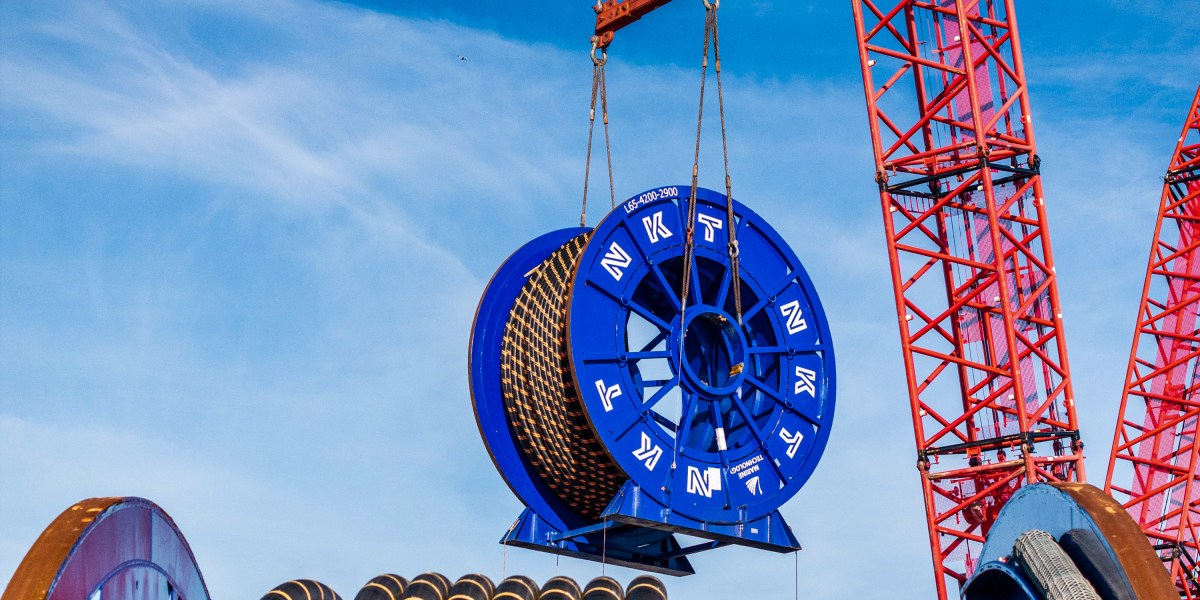
The CHPE project involves building a new underwater cable to connect New York State to Quebec, Canada, and then a series of transmission lines to deliver the power from Queens to Albany. However, technical issues have been reported in recent months, including problems with the line’s control systems and transmission equipment.
According to sources familiar with the project, the CHPE has experienced some “glitches” that have caused it to operate below capacity at times. The cause of these issues is not yet clear, but experts say they may be related to the complexity of the system or inadequate testing.
New York Grid Relies on Importing Power
New York’s grid relies heavily on imported power from neighboring states and Canada during hot summer afternoons like July 3. In fact, according to a report by the Brattle Group, in 2020 New York State imported an average of 25% of its electricity from outside the state.
The CHPE project is designed to help alleviate this reliance on imports by providing a more direct and efficient connection to Canadian power markets. However, if issues with the line persist, it could lead to increased demand for backup power sources or even blackouts in the region.
Environmental Concerns
Environmental groups have also raised concerns about the CHPE project, citing potential impacts on local marine ecosystems and wildlife habitats. The project’s operators have assured regulators that measures will be taken to minimize these effects, including the use of specialized acoustic monitoring equipment to detect and respond to any impacts on marine life.
Despite these concerns, some advocates argue that the benefits of the CHPE project outweigh the risks, particularly in terms of reducing greenhouse gas emissions from New York State’s power generation. However, more research is needed to fully assess the project’s environmental impact.
New York Grid Must Stay Agile
The recent issues with the CHPE line serve as a reminder that New York State’s grid must remain agile and adaptable to changing energy demands and supply conditions. As the state continues to grow and develop, it will need to invest in infrastructure and technologies that can help it meet these challenges.
In this sense, the CHPE project represents an important step forward for New York State’s power infrastructure. However, its success will depend on the ability of its operators to identify and address technical issues quickly, while also minimizing environmental impacts.
As the heat wave that hit New York last month showed, the state’s grid must be able to meet its growing electricity demand in a reliable and efficient manner. The CHPE project is an important part of this effort, but it will require continued investment, innovation, and collaboration among stakeholders to ensure its success.
The challenges facing the CHPE project serve as a reminder that New York State’s grid must stay agile and adaptable to changing energy demands and supply conditions. As the state continues to grow and develop, it will need to invest in infrastructure and technologies that can help it meet these challenges.
One of the key areas where investment is needed is in smart grid technologies. The CHPE project involves advanced power transmission systems, including high-voltage direct current (HVDC) lines and smart transformers. These technologies have the potential to greatly improve the efficiency and reliability of New York State’s grid, but they require significant investment and planning.
Another area where investment is needed is in energy storage infrastructure. As the state continues to rely on intermittent renewable energy sources like solar and wind power, it will need more efficient and cost-effective ways to store excess energy generated during periods of high production. Energy storage systems can help stabilize the grid and ensure a reliable supply of electricity.
Finally, New York State’s grid must also invest in advanced weather forecasting and monitoring technologies. The state is already investing in weather forecasting and prediction tools, but it will need to continue to improve these capabilities to better anticipate and prepare for extreme weather events like heat waves and snowstorms.
New York Grid Infrastructure Upgrades
As the CHPE project demonstrates, New York State’s grid requires significant investment and modernization. In fact, a comprehensive review of the state’s power infrastructure has identified over $200 billion in needed upgrades and improvements.
One of the key areas of focus for these upgrades is the transmission system. Aging transmission lines and infrastructure are causing reliability issues and disruptions to service, particularly during peak demand periods. Upgrading the transmission system will help improve the efficiency and reliability of New York State’s grid, but it requires significant investment and planning.
Another area where upgrades are needed is in distribution systems. Distribution lines and infrastructure can be prone to failures and outages, particularly during extreme weather events. Upgrading distribution systems will help improve the reliability and resilience of New York State’s grid, but it requires a comprehensive approach that includes advanced technologies like smart meters and grid management systems.
Collaboration and Innovation
The CHPE project demonstrates the importance of collaboration and innovation in addressing the challenges facing New York State’s grid. The project involved a consortium of private companies, including TransCanada and Brookfield Infrastructure Group, working with state regulators and utility companies to design and build a new power transmission line.
However, this type of collaborative approach is not unique to the CHPE project. In fact, many experts believe that a more coordinated and collaborative approach to grid modernization is needed across the United States. This could involve greater investment in research and development, as well as partnerships between utilities, regulators, and private companies.
In this sense, the CHPE project represents an important step forward for New York State’s power infrastructure, but it also highlights the need for continued innovation and collaboration to address the complex challenges facing the state’s grid. By working together and investing in advanced technologies and infrastructure, New York State can build a more reliable, efficient, and resilient energy system that meets the needs of its growing population.
As the heat wave that hit New York last month showed, the state’s grid must be able to meet its growing electricity demand in a reliable and efficient manner. The CHPE project is an important part of this effort, but it will require continued investment, innovation, and collaboration among stakeholders to ensure its success.
In the end, the future of New York State’s power infrastructure will depend on its ability to stay agile and adaptable to changing energy demands and supply conditions. By investing in smart grid technologies, energy storage infrastructure, advanced weather forecasting tools, and critical transmission and distribution upgrades, the state can build a more reliable, efficient, and resilient energy system that meets the needs of its growing population.