
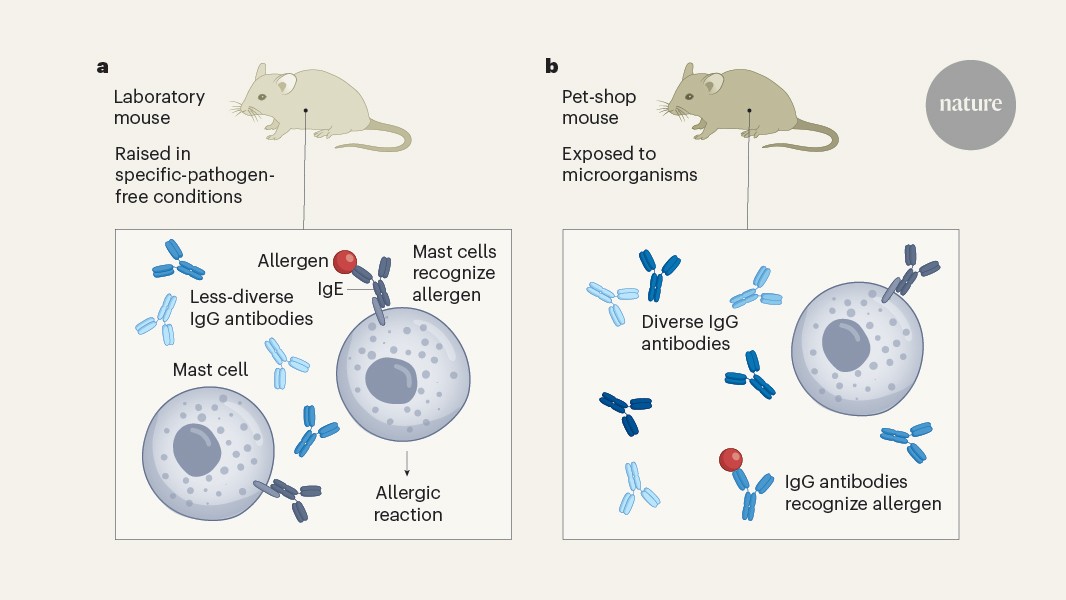
Allergic Reactions to Environmental Toxins Can Train the Immune System to Dampen Its Response
The human immune system is a complex and dynamic entity that plays a crucial role in protecting us from pathogens and foreign substances. However, in recent years, research has suggested that exposure to certain environmental toxins can actually train the immune system to dampen its response, potentially leading to an increased risk of chronic diseases.
Allergic reactions, which are typically associated with overactive or hyperresponsive immune systems, may not always be a clear-cut indicator of immune dysfunction. In fact, studies have shown that repeated exposure to low levels of certain toxins can actually lead to desensitization of the immune system, making it less effective at responding to threats.
One key area where this phenomenon has been observed is in relation to air pollution. Studies have found that long-term exposure to particulate matter (PM) and other pollutants from vehicle exhaust can lead to changes in the way the immune system responds to infections. Specifically, research has shown that repeated exposure to low levels of PM can actually reduce the expression of genes involved in the production of pro-inflammatory cytokines, which are molecules that help fight off infection.
The Impact of Environmental Toxins on Immune Function
The mechanisms by which environmental toxins train the immune system to dampen its response are complex and multifaceted. However, research has identified several key pathways through which this process occurs. One key pathway involves the activation of specific immune cells, such as T-cells and dendritic cells, which play a crucial role in regulating the immune response.
When these immune cells are exposed to environmental toxins, they can become “skewed” towards a more suppressive phenotype, reducing their ability to respond effectively to pathogens. This process is often referred to as “immunosuppression,” and it can have serious consequences for individuals who are already immunocompromised or vulnerable to infection.
Allergic Reactions: A Double-Edged Sword
Allergic reactions, which are typically characterized by inflammation, itching, and other symptoms, may not always be a clear-cut indicator of immune dysfunction. In fact, research has shown that repeated exposure to certain toxins can actually lead to desensitization of the immune system, making it less effective at responding to threats.
This raises an important question: how do we distinguish between a healthy immune response and an allergic reaction? The answer lies in understanding the complex interplay between environmental toxins and the immune system. By identifying key pathways through which toxins train the immune system to dampen its response, researchers can develop new strategies for mitigating their impact.
Related: Learn more about this topic.
Implications for Public Health
The implications of this research are far-reaching and have significant implications for public health policy. As we continue to grapple with the challenges of climate change, air pollution, and other environmental stressors, it is clear that our understanding of how these toxins affect the immune system must be refined.
By developing new strategies for reducing exposure to environmental toxins and promoting immune function, researchers hope to create a healthier and more resilient population. This may involve exploring new treatments for allergies and asthma, as well as developing innovative technologies for reducing pollution and mitigating its impact on human health.
In conclusion, the relationship between environmental toxins and immune function is complex and multifaceted. While allergic reactions may not always be a clear-cut indicator of immune dysfunction, research has shown that repeated exposure to low levels of certain toxins can actually train the immune system to dampen its response. By understanding this phenomenon, researchers hope to develop new strategies for promoting immune health and mitigating the impact of environmental stressors on human populations.