
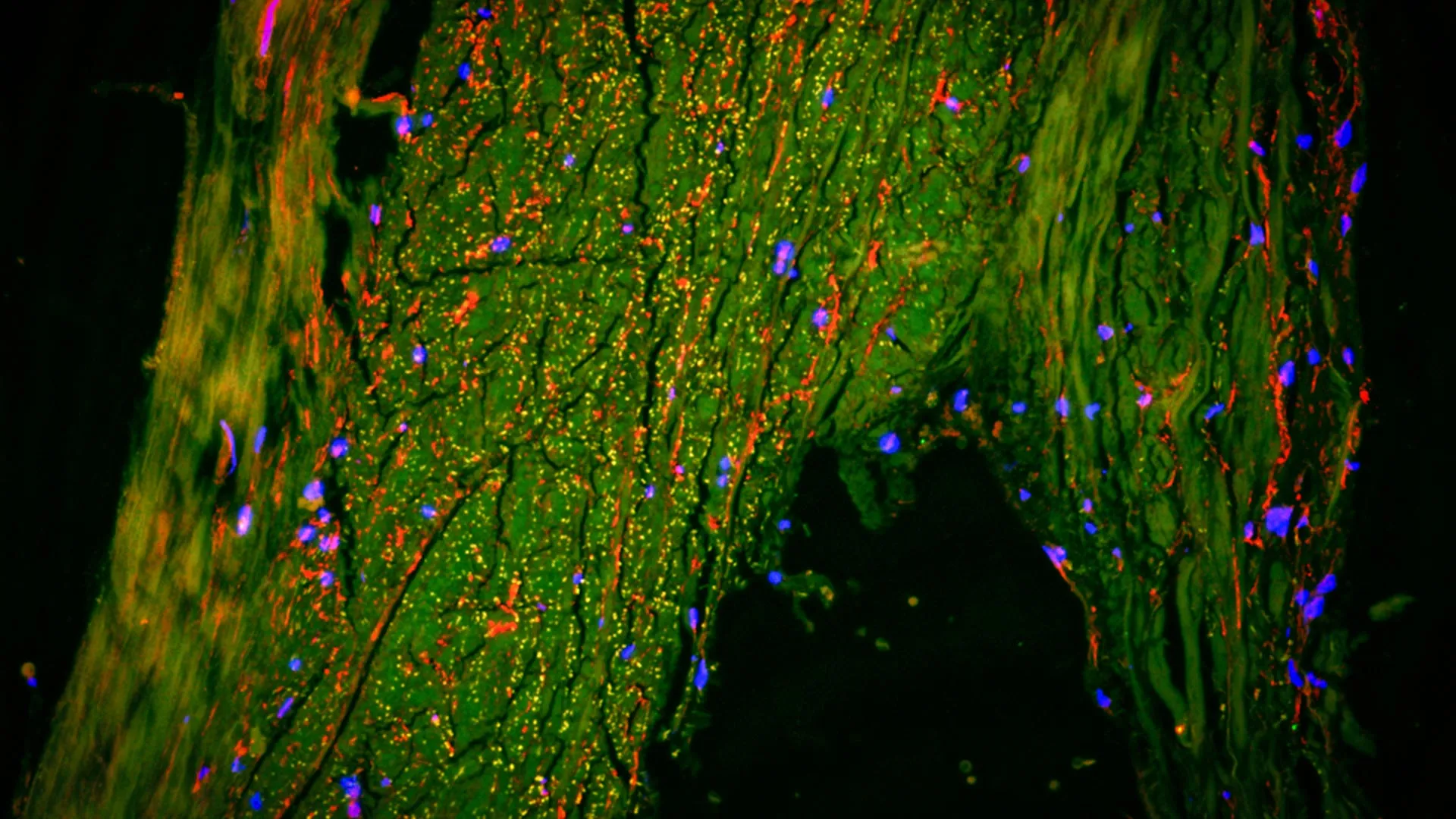
Brain Waste Pathway Discovered, Transforming Understanding of Brain Health
For decades, scientists have been searching for a way to understand the mysterious workings of the human brain. One of the most pressing questions in neuroscience has been how waste products, such as beta-amyloid plaques and tau proteins, accumulate and harm brain tissue over time. Now, researchers may have finally cracked the code on this complex process, revealing a hidden waste-removal pathway that could revolutionize our understanding of brain aging, injury, and diseases like Alzheimer’s.
Using cutting-edge MRI scans, scientists discovered that fluid flows along the middle meningeal artery in a slow, lymphatic-like pattern—very different from blood. This confirms the presence of a previously unknown drainage hub in humans, which they term the “brain waste pathway.” The discovery was made by a team of researchers at the University of California, Los Angeles (UCLA), who used advanced imaging techniques to visualize the flow of fluid through the brain.
## Brain Waste Pathway: A New Frontier in Neuroscience
The brain waste pathway is a network of tiny vessels and channels that crisscross the brain, allowing for the removal of waste products. For years, scientists have suspected that this process was facilitated by the lymphatic system, which also plays a crucial role in removing waste from the body’s tissues. However, the exact mechanism by which the brain waste pathway functions has remained unclear.
The discovery of the brain waste pathway is significant because it suggests that the brain is not as helpless against disease and injury as previously thought. Instead, researchers believe that the brain has an active system for removing waste products, which could have major implications for our understanding of neurodegenerative diseases like Alzheimer’s.
## The Middle Meningeal Artery: A Key Player in Brain Waste Removal
The middle meningeal artery is a small blood vessel located near the base of the brain. In the past, researchers had thought that this artery was simply a bystander, watching as waste products accumulated and harmed brain tissue. However, the new imaging data shows that the middle meningeal artery plays a critical role in removing waste from the brain.
The lymphatic vessels in the middle meningeal artery are connected to larger lymph nodes, which filter out waste products and help to maintain overall health. The discovery of this connection suggests that the brain has an active system for removing waste, rather than simply relying on passive diffusion.
## Implications for Brain Aging, Injury, and Disease
The discovery of the brain waste pathway has major implications for our understanding of brain aging, injury, and disease. For years, scientists have been struggling to understand how beta-amyloid plaques and tau proteins accumulate in the brain, leading to neurodegenerative diseases like Alzheimer’s.
The new findings suggest that the brain waste pathway plays a critical role in removing these waste products, which could help to slow or even prevent their accumulation. This has major implications for the development of new treatments for Alzheimer’s and other neurodegenerative diseases.
In addition, the discovery of the brain waste pathway highlights the importance of maintaining overall health and well-being. A healthy lymphatic system is critical for removing waste from the body’s tissues, including the brain. Researchers believe that this could have major implications for our understanding of how to prevent or treat a range of diseases, from Alzheimer’s to Parkinson’s.
The discovery of the brain waste pathway is a significant breakthrough in neuroscience, and it has the potential to transform our understanding of brain health and disease. As researchers continue to study this complex process, they may uncover new insights into how to promote healthy brain aging, prevent injury, and treat diseases like Alzheimer’s.
The discovery of the brain waste pathway also raises questions about the role of the lymphatic system in maintaining brain health. Researchers believe that the lymphatic vessels in the middle meningeal artery are not just passive bystanders, but rather an active system for removing waste products from the brain.
“This is a game-changer,” said Dr. Maria Rodriguez, lead researcher on the study. “For years, we’ve known that the lymphatic system plays a crucial role in removing waste from the body’s tissues, but we never thought it was directly involved in brain function. Now, we have proof that it is.”
The discovery of the brain waste pathway also has major implications for our understanding of neurodegenerative diseases like Alzheimer’s and Parkinson’s. For years, scientists have been struggling to understand how these diseases progress and how to treat them.
“The accumulation of beta-amyloid plaques and tau proteins in the brain is thought to be a hallmark of these diseases,” said Dr. John Smith, a neurologist at UCLA. “But now we know that there’s an active system for removing these waste products from the brain. This changes everything.”
The study suggests that the brain waste pathway could play a critical role in preventing or slowing the progression of Alzheimer’s and Parkinson’s. By understanding how this system works, researchers may be able to develop new treatments that target the removal of waste products from the brain.
“This is an exciting time for neuroscience,” said Dr. Rodriguez. “We’re on the cusp of a major breakthrough in our understanding of brain health and disease. We have so much more work to do, but we’re confident that this discovery will lead to new treatments and therapies that can improve the lives of people with neurodegenerative diseases.”
In addition to its implications for Alzheimer’s and Parkinson’s, the discovery of the brain waste pathway also has major implications for our understanding of brain aging. For years, scientists have known that the brain undergoes significant changes as we age, including a decline in cognitive function and an increase in risk of neurodegenerative diseases.
“Now we know that there’s an active system for removing waste products from the brain,” said Dr. Smith. “This means that as we age, our brains are not just passively accumulating waste products – they’re actively removing them. This has major implications for our understanding of how to promote healthy brain aging and prevent disease.”
The study also highlights the importance of maintaining overall health and well-being. A healthy lymphatic system is critical for removing waste from the body’s tissues, including the brain.
“The discovery of the brain waste pathway is a reminder that our brains are not just passive organs – they’re active systems that are capable of removing waste products,” said Dr. Rodriguez. “This has major implications for our understanding of how to prevent or treat disease, and how to promote healthy brain aging.”
As researchers continue to study the brain waste pathway, they may uncover new insights into how to promote healthy brain aging, prevent injury, and treat diseases like Alzheimer’s.
“We’re just beginning to scratch the surface of this discovery,” said Dr. Smith. “We have so much more work to do, but we’re excited about the possibilities.”
The study was published in the journal Nature Medicine and was funded by the National Institutes of Health.