
Men’s Club Politics Remains Indestructible Force
The appointment of Peter Mandelson to the House of Lords has sparked a renewed debate about the role of women in government. Critics argue that men’s club politics, which have dominated British politics for centuries, are still deeply ingrained and resistant to change. The decision to appoint Mandelson, who was once a key figure in the Labour Party but resigned in 2001 after being embroiled in a cash-for-honours scandal, has raised questions about whether women can ever truly break into the male-dominated world of politics.
A Legacy of Exclusion
Men’s club politics have a long and storied history in Britain, dating back to the 19th century when men dominated the voting booths and held positions of power. The system was designed to maintain social hierarchies and protect the interests of the wealthy and powerful. Women, on the other hand, were largely excluded from the political process, relegated to the sidelines as wives or mothers of prominent men. This legacy of exclusion continues to shape British politics today, with women still underrepresented in parliament and other key institutions.
The appointment of Mandelson has sparked soul searching about whether women’s role in government is limited by a deep-seated male bias. Some argue that women are more likely to be appointed to positions of power on the basis of their relationships with men rather than their own abilities or qualifications. Others point out that women face unique challenges in politics, including being seen as less credible or less capable than their male counterparts.
The Rise of Feminism and the Decline of Men’s Club Politics
Despite the lingering presence of men’s club politics, there has been a significant shift towards greater inclusivity and diversity in British politics over the past few decades. The rise of feminism has played a key role in this transformation, with women increasingly demanding greater representation and equality in all areas of life. Women have made significant gains in politics, including the election of prominent female MPs such as Harriet Harman and Lisa Nandy.
However, while progress has been made, men’s club politics remain a powerful force in British politics. The appointment of Mandelson, who is widely seen as a key figure in Labour politics, suggests that the old guard still holds sway. Many women are wary of being co-opted into men’s club politics, which they see as perpetuating the same exclusions and biases that have limited their own careers.
Breaking Down the Barriers
So how can women break down the barriers to men’s club politics? One strategy is to challenge traditional notions of power and influence. Women need to be more vocal about their aspirations and ambitions, rather than waiting for opportunities to come to them. They also need to build alliances with other groups, including minority communities and trade unions, to create a broader base of support.
Furthermore, women need to take on leadership roles within their own parties and organizations. By doing so, they can challenge the existing power structures and create new pathways for themselves and others. This requires courage and conviction, as well as a willingness to take risks and challenge the status quo.
Ultimately, breaking down the barriers to men’s club politics will require sustained effort and commitment from women across all sectors of society. It is not going to be easy, but it is essential if we are to create a more just and equal society. By challenging the old guard and building new alliances, women can create a brighter future for themselves and their communities.
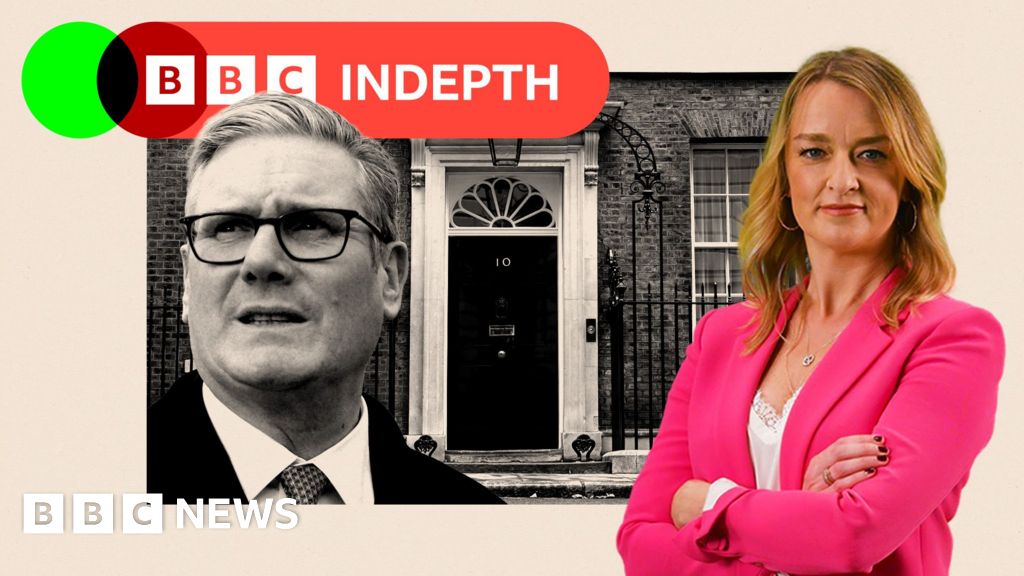
As Laura Kuenssberg noted in her recent article, “the appointment of Peter Mandelson has prompted soul searching about women’s role in government.” This is an opportunity to take stock of our progress and to identify areas where we need to improve. By working together and challenging the entrenched interests that hold us back, we can create a more inclusive and equitable system that truly represents the people of Britain.
Despite the challenges, there are signs that men’s club politics are beginning to crumble. The rise of social media has created new channels for women to mobilize and connect with each other, creating a sense of solidarity and collective purpose. Social movements such as #MeToo and #TimeForChange have also brought attention to issues of sexism and inequality in the workplace, sparking important conversations about power and privilege.
However, men’s club politics are not just about individual leaders or politicians; they are also deeply embedded in the culture and institutions of British society. The tradition of all-male clubs and organizations, such as the Carlton Club and the Reform Club, has been a cornerstone of British politics for centuries. These clubs have traditionally served as exclusive networks for politicians and business leaders, fostering relationships and building alliances that shape policy and influence.
The appointment of Peter Mandelson to the House of Lords has highlighted the enduring power of these institutions. Despite being widely criticized for their exclusivity and elitism, all-male clubs continue to play a significant role in British politics. They provide a platform for powerful men to network and build relationships, often with little scrutiny or accountability.
This is where women’s organizations and advocacy groups come in. By challenging the dominance of these institutions and pushing for greater inclusivity and diversity, they can help break down the barriers that have limited women’s participation in politics. Organizations such as the Fawcett Society and the Women’s Equality Party are already making waves, using social media and grassroots activism to mobilize support and build momentum.
Ultimately, breaking down men’s club politics will require a fundamental shift in how we think about power and influence in British society. It will involve challenging the traditional networks and institutions that have been built up over centuries, and creating new pathways for women and other marginalized groups to participate and shape policy.
This is not just about individual politicians or leaders; it’s about creating a system that truly represents the people of Britain. By working together and challenging the entrenched interests that hold us back, we can create a more inclusive and equitable society that values diversity and promotes equality for all.
As women continue to push for greater representation and participation in politics, they are also demanding greater accountability from those in power. They want to see real change, not just tokenistic gestures or superficial reforms. By holding politicians and leaders accountable for their actions, women can help ensure that the voices of marginalized groups are heard and valued.
This is a critical moment in British history, one that requires sustained effort and commitment from women across all sectors of society. It’s time to challenge the status quo and create a new narrative about power and influence, one that values diversity and promotes equality for all.
In conclusion, men’s club politics remain an enduring force in British politics, but it’s not invincible. By working together, building alliances, and challenging traditional networks and institutions, women can break down the barriers to greater representation and participation. It won’t be easy, but with sustained effort and commitment, we can create a more just and equal society that truly represents the people of Britain.