
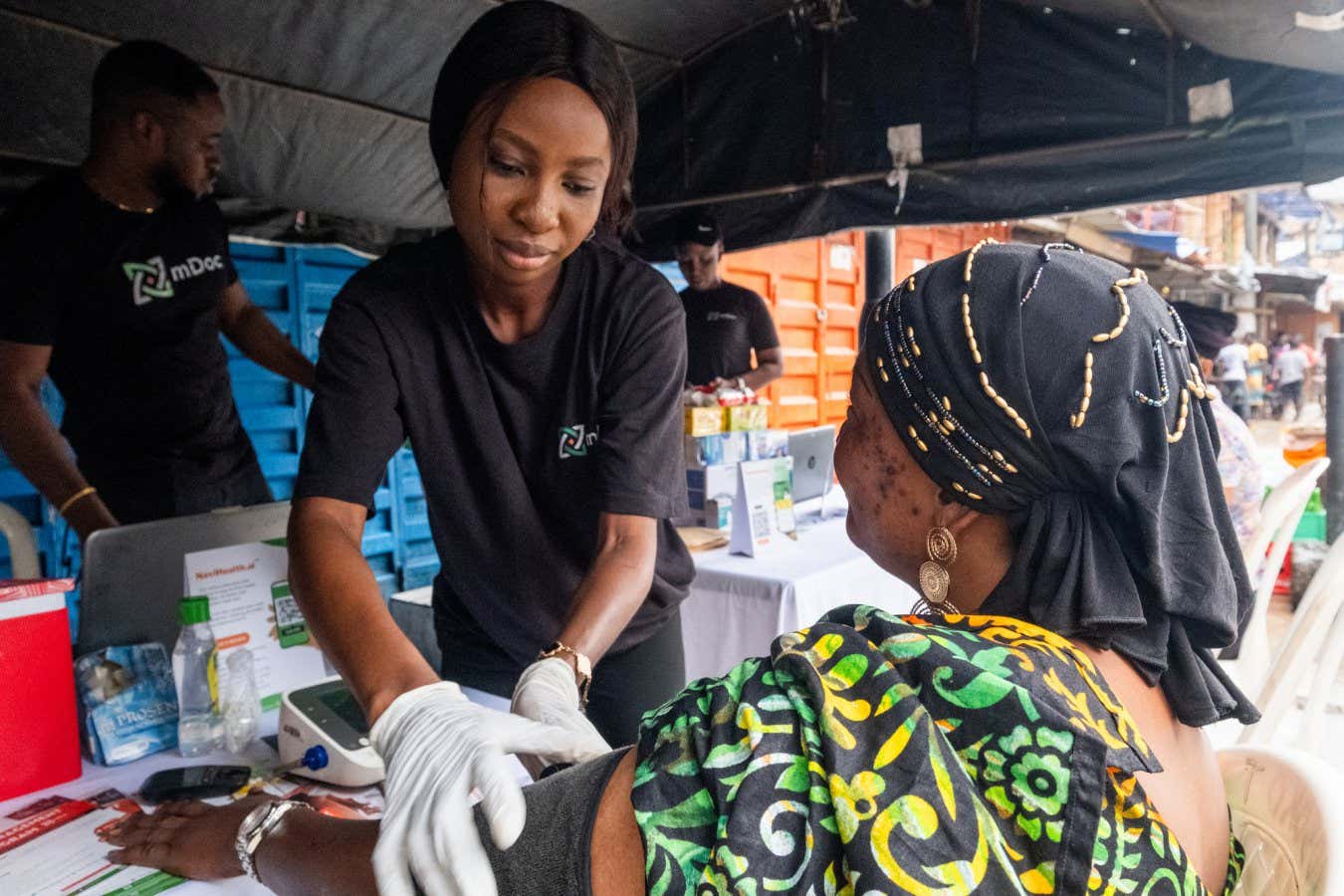
Women’s Health Research Needs a Major Boost to Close the Knowledge Gap
As we celebrate International Women’s Day, it is imperative that we acknowledge the critical need for groundbreaking research in women’s health. The current state of knowledge in this field is woefully inadequate, leaving millions of women around the world vulnerable to preventable diseases and untreated conditions. Closing the knowledge gap in women’s health research is essential to addressing these disparities and ensuring that women receive the best possible care.
Understanding the Limitations of Current Research
Women’s health research has historically been plagued by a lack of representation among researchers, policymakers, and healthcare providers. This phenomenon has resulted in a significant knowledge gap, with many areas of women’s health still understudied or poorly understood. According to Anita Zaidi, a leading expert in women’s health, “the natural defences of the female reproductive system are woefully underexamined.” Strengthening these natural defences is crucial for preventing and treating conditions such as pelvic inflammatory disease (PID), endometriosis, and infertility.
The current state of research in women’s health has also been hampered by a lack of funding and resources. Compared to men’s health, women’s health research receives significantly less funding, which limits the scope and quality of studies conducted. This disparity is particularly egregious given the high burden of disease among women worldwide. It is estimated that one in five deaths globally are due to conditions that affect women, with many more cases going undiagnosed or untreated.
The Consequences of Inadequate Research
The consequences of inadequate research in women’s health are far-reaching and devastating. Women are disproportionately affected by conditions such as cervical cancer, which is preventable through routine screening and vaccination. Early detection and treatment can save countless lives, yet millions of women around the world die each year from this disease due to a lack of access to healthcare.
Furthermore, inadequate research in women’s health has significant social and economic implications. Women who suffer from untreated conditions such as PID are often left with long-term disabilities, which can impact their ability to work and contribute to their families. The economic burden of these conditions is also substantial, with estimates suggesting that the global cost of women’s health issues exceeds $1 trillion annually.
Closing the Knowledge Gap
Related: Learn more about this topic.
Closing the knowledge gap in women’s health research requires a concerted effort from researchers, policymakers, and healthcare providers. This can be achieved through increased funding for women’s health research, as well as the recruitment of more women into research positions.
Moreover, there is a need for greater collaboration between researchers, clinicians, and policymakers to ensure that research is translated into practice. This can involve the development of more effective screening tools, treatments, and healthcare policies that prioritize women’s needs.
Finally, it is essential that we prioritize the involvement of women in the research process itself. Women’s voices, experiences, and perspectives are critical to understanding the complex issues affecting women worldwide. By amplifying these voices, we can ensure that research is more inclusive, effective, and responsive to the needs of women.
In conclusion, closing the knowledge gap in women’s health research is a pressing imperative for improving the lives of millions of women around the world. Through increased funding, collaboration, and inclusion, we can build a stronger foundation for advancing our understanding of women’s health and ensuring that women receive the best possible care.