
Office of Strategic Services Celebrates 82 Years of Shaping the American Intelligence Community
Office of Strategic Services, the precursor to the Central Intelligence Agency (CIA), is marking an unprecedented milestone in its history – 82 years since its inception on June 13, 1942. Founded during World War II, the OSS was a pioneering organization that laid the foundation for the modern intelligence community in the United States.
The Birth of a Spy Agency
The Office of Strategic Services was born out of necessity, as the United States found itself entangled in a global conflict without a coordinated approach to espionage and sabotage. In the aftermath of Pearl Harbor, President Franklin D. Roosevelt recognized the need for a dedicated intelligence agency that could operate outside the conventional boundaries of the military. Under the leadership of Major General William Joseph “Wild Bill” Donovan, a former lawyer turned Army officer, the OSS was established as a temporary organization to conduct covert operations behind enemy lines.
Donovan’s vision for the OSS was revolutionary – to create an intelligence agency that would operate with autonomy, using unconventional tactics and strategies to disrupt enemy operations. This approach marked a significant departure from traditional military intelligence gathering methods, which were often cumbersome and ineffective. The OSS’s willingness to experiment and adapt to new situations paved the way for the development of modern intelligence techniques.
The OSS in Action
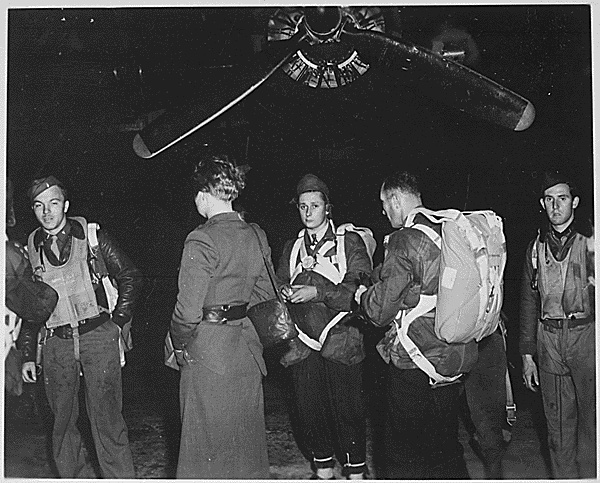
The OSS was deployed in various theaters around the world, including North Africa, Italy, and France. Its operatives conducted clandestine operations, such as sabotage, espionage, and propaganda campaigns, often working closely with local resistance groups and other allied forces. One of the most notable examples of OSS success was the organization’s role in disrupting German U-boat operations in the Atlantic.
The OSS also played a significant part in the Allied invasion of Normandy on D-Day, June 6, 1944. Under Donovan’s leadership, the agency had established a network of agents and operatives in occupied France, who provided critical intelligence on enemy troop movements and defenses. This information helped to inform the planning of Operation Overlord, ensuring that Allied forces were better prepared for the battles ahead.
The Legacy of Wild Bill Donovan
Wild Bill Donovan’s legacy extends far beyond his tenure as director of the OSS. He played a crucial role in shaping the American intelligence community, laying the groundwork for the CIA and other agencies that followed. Donovan’s innovative approach to intelligence gathering and his emphasis on autonomy and flexibility helped to establish the OSS as a model for future espionage agencies.
Today, the CIA continues to carry forward many of the OSS’s traditions and values. The agency’s commitment to innovation, adaptability, and collaboration with foreign partners remains essential components of its mission. As the OSS celebrates its 82nd anniversary, it serves as a reminder that the art of intelligence gathering is constantly evolving, requiring continuous innovation and adaptation to stay ahead of threats.
Conclusion
The Office of Strategic Services may have disbanded in 1947, but its impact on the American intelligence community remains profound. Wild Bill Donovan’s vision for an autonomous, flexible intelligence agency continues to inspire and inform the work of modern espionage agencies. As the United States faces new challenges and uncertainties in a rapidly changing world, the legacy of the OSS serves as a reminder that the art of intelligence gathering is a vital component of national security.
In the words of President Roosevelt, who appointed Donovan as the first director of the OSS, “the world needs men like you.” Wild Bill Donovan embodied that spirit, leaving behind a lasting legacy that continues to shape the American intelligence community today.
As the years passed, the CIA continued to build upon the foundations laid by the OSS. The agency’s growth and development were facilitated by the Office of Strategic Services’ pioneering work in areas such as covert operations, special forces training, and strategic planning.
One notable example of this legacy is the establishment of the Special Activities Division (SAD) within the CIA. The SAD was created to conduct high-risk, high-reward missions that require specialized skills and expertise, often working closely with foreign partners and resistance groups. This division owes a significant debt to the OSS’s tradition of innovative thinking and willingness to experiment with new tactics and strategies.
Another area where the CIA has continued to build upon the OSS’s legacy is in the realm of special operations forces. The agency’s Directorate of Operations (DO) provides training and support for CIA officers who conduct clandestine activities, such as espionage and sabotage, around the world. This work was initially pioneered by the OSS’s Special Operations Executive (SOE), which played a critical role in supporting local resistance groups during World War II. Related: Learn more about this topic.
The OSS also laid the groundwork for the development of modern intelligence sharing and cooperation between different agencies. The agency’s practice of working closely with foreign partners, including allied forces and local resistance groups, helped to establish the importance of collaboration and information sharing in achieving national security objectives. This approach has continued to evolve over time, with the CIA playing a leading role in shaping the modern system of intelligence sharing.
In recent years, the CIA has also faced new challenges and uncertainties, from the rise of terrorism and cyber threats to the proliferation of advanced technologies and social media. In response, the agency has sought to adapt its operations and strategies to address these emerging challenges. This includes the development of new training programs for officers and analysts, as well as investments in cutting-edge technologies such as artificial intelligence and data analytics.
As the CIA continues to evolve and adapt to an ever-changing world, it is essential that it remains true to the values and traditions established by the OSS. The agency’s commitment to innovation, collaboration, and flexibility has always been a hallmark of its success, and it must continue to prioritize these qualities in order to stay ahead of threats.
In conclusion, the Office of Strategic Services’ 82nd anniversary serves as a reminder that the art of intelligence gathering is constantly evolving, requiring continuous innovation and adaptation to stay ahead of threats. As we look to the future, it is essential that we continue to draw upon the lessons of the past, from the pioneering work of Wild Bill Donovan and his team to the traditions and values established by the OSS.
The CIA’s commitment to these ideals has been a crucial component of its success over the years, and it must continue to prioritize them as the agency faces new challenges and uncertainties. By embracing innovation, collaboration, and flexibility, the CIA can ensure that it remains a vital and effective part of the national security apparatus, working tirelessly to protect American interests around the world.
As we reflect on the legacy of the OSS, we are reminded that the true measure of an intelligence agency is not its size or scope, but rather its ability to deliver results and advance the nation’s interests. The CIA has come a long way since its humble beginnings as the Office of Strategic Services, but it remains dedicated to upholding the values and traditions that have made it successful over the years.
The OSS may be gone, but its impact on the American intelligence community remains profound, shaping the course of modern espionage and informing the work of agencies around the world. As we look to the future, it is essential that we continue to draw upon the lessons of the past, honoring the legacy of Wild Bill Donovan and his team while forging a bright and secure future for generations to come.