
Quantum Computing Breakthroughs Unveiled by IBM
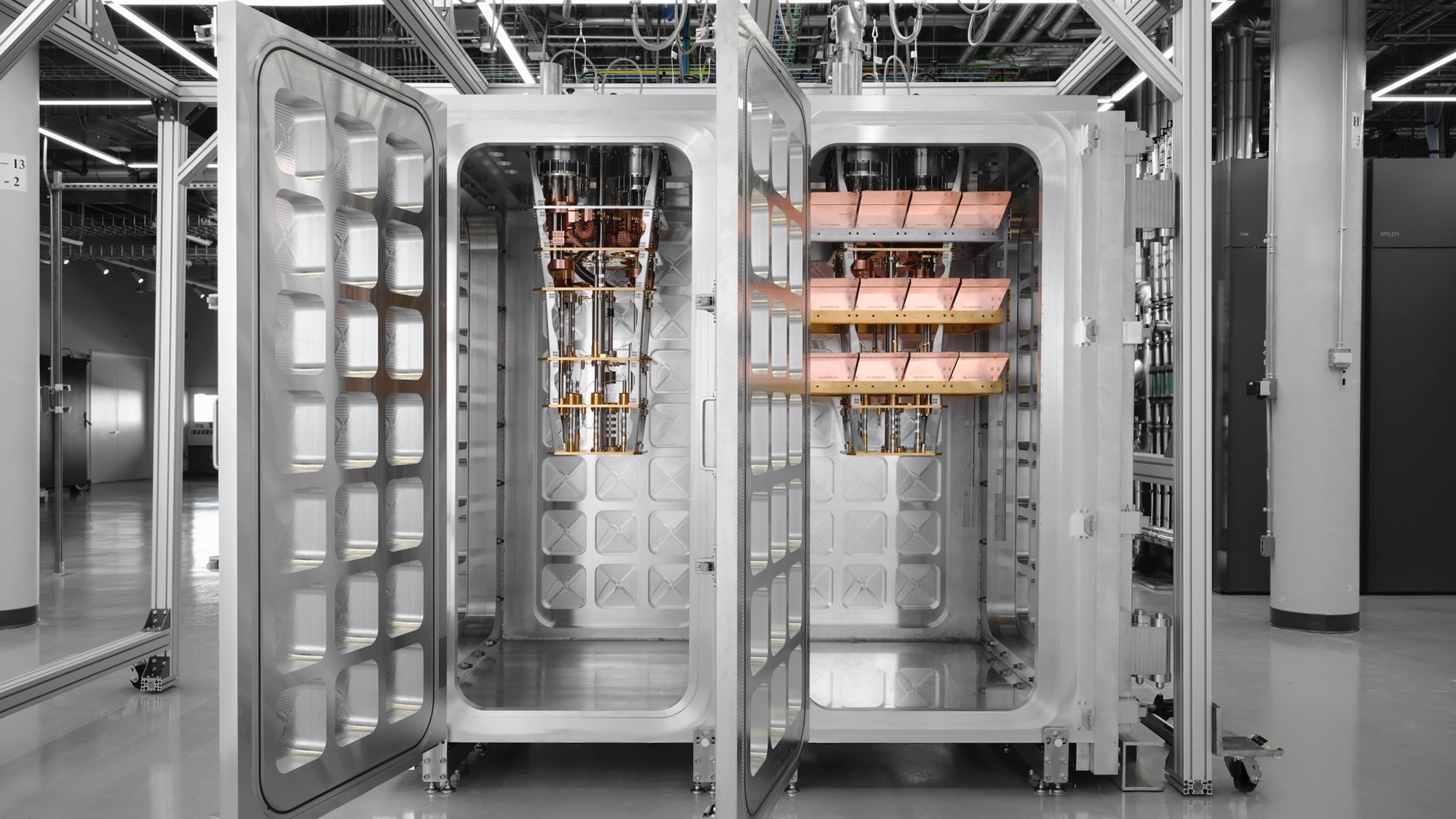
Quantum computing has long been touted as the next revolution in computing power, and IBM is taking significant steps towards making it a reality. The tech giant has unveiled a groundbreaking modular cryogenic system that links quantum chips, overcoming major infrastructure hurdles and paving the way for a powerful system by 2029.
## Modular Cryogenic System: A Major Leap Forward
IBM’s new cryogenic system is designed to be highly scalable and adaptable, making it an ideal solution for a wide range of applications. By linking quantum chips together in a modular fashion, the system allows for greater flexibility and easier maintenance, reducing the complexity and cost associated with traditional quantum computing systems.
The key to this breakthrough lies in the use of cryogenic technology, which enables the creation of ultra-low temperatures required for superconducting materials to function. This has allowed IBM to develop more powerful and reliable quantum chips, with a significant increase in coherence times – a critical factor in maintaining the fragile quantum states needed for computing.
## Quantum Computing: The Future of High-Performance Computing
Quantum computing is poised to revolutionize high-performance computing by solving complex problems that are currently unsolvable using classical computers. By harnessing the power of quantum mechanics, researchers can simulate complex systems, optimize processes, and unlock new insights in fields such as medicine, finance, and climate modeling.
One of the most promising applications of quantum computing is in the field of machine learning. Quantum algorithms have been shown to be exponentially faster than their classical counterparts for certain types of problems, making them ideal for tasks such as image recognition, natural language processing, and predictive analytics.
## Paving the Way for a Powerful System
IBM’s modular cryogenic system represents a major milestone on the path to building a powerful quantum computing system. By overcoming the infrastructure hurdles that have long limited the development of quantum computers, IBM is paving the way for a new generation of applications that can take full advantage of this technology.
The company’s plans for 2029 are ambitious, with a goal of developing a fully functional quantum computer that can be used by researchers and developers around the world. While significant technical challenges remain to be overcome, IBM’s breakthroughs demonstrate that the technology is finally starting to mature, and the possibilities are endless.
As researchers and companies begin to explore the vast potential of quantum computing, it’s clear that this is an era of unprecedented innovation. With IBM’s modular cryogenic system at its core, the stage is set for a new wave of discoveries and breakthroughs that will shape the future of computing as we know it.
The road ahead won’t be easy, but with companies like IBM pushing the boundaries of what’s possible, the prospects are bright. As quantum computing continues to evolve, one thing is certain: the world will never be the same again.
## The Impact on Research and Development
The development of IBM’s modular cryogenic system has significant implications for research and development in the field of quantum computing. By providing a scalable and adaptable platform, researchers can now explore a wide range of applications and use cases that were previously limited by the technical challenges of building a functional quantum computer.
One area of particular interest is the study of quantum error correction, which is crucial for the development of large-scale quantum computers. The modular cryogenic system’s ability to link quantum chips together in a flexible fashion provides researchers with a unique opportunity to test and refine new error correction techniques, paving the way for more robust and reliable quantum computing systems.
## Collaboration and Open-Source Development
IBM’s commitment to collaboration and open-source development is another key aspect of this breakthrough. By sharing its knowledge and expertise with the research community, IBM is helping to accelerate the development of quantum computing technology and ensuring that it remains accessible to a wide range of researchers and developers.
The company’s Open Quantum Assembly (OQA) initiative, for example, aims to develop an open-source framework for building and deploying quantum computers. By providing a standardized platform for quantum computing development, OQA is helping to drive innovation and collaboration across the industry, ensuring that the benefits of quantum computing are shared by all.
## The Role of Quantum Computing in Addressing Global Challenges
Quantum computing has the potential to address some of the world’s most pressing global challenges, from climate change and sustainable energy to healthcare and medicine. By harnessing the power of quantum mechanics, researchers can develop new materials, simulate complex systems, and optimize processes – all of which are critical for solving these complex problems.
One area where quantum computing is already making a significant impact is in the field of materials science. Researchers using quantum computers have been able to simulate the behavior of complex materials at the atomic level, leading to breakthroughs in fields such as superconductivity and nanotechnology.
## The Future of Quantum Computing
Related: Learn more about this topic.
As we look to the future, it’s clear that quantum computing has a profound impact on our ability to solve some of the world’s most complex problems. From optimizing supply chains to simulating complex systems, the possibilities are endless – and the potential for innovation is vast.
However, significant technical challenges remain to be overcome before we can fully realize the potential of quantum computing. The development of reliable and efficient quantum algorithms, for example, requires continued investment in research and development.
## Conclusion
In conclusion, IBM’s breakthroughs in modular cryogenic system technology represent a major milestone on the path to building a powerful quantum computing system. By overcoming the infrastructure hurdles that have long limited the development of quantum computers, IBM is paving the way for a new generation of applications that can take full advantage of this technology.
As we move forward, it’s clear that quantum computing will play an increasingly important role in shaping our future – from revolutionizing industries and solving complex problems to unlocking new insights and discoveries. With companies like IBM pushing the boundaries of what’s possible, the prospects are bright – and the possibilities are endless.
Quantum computing is poised to revolutionize the way we approach complex problems, and its impact will be felt across a wide range of industries and fields. As we continue to explore the vast potential of this technology, one thing is certain: the world will never be the same again.
## The Future of Quantum Computing: A New Era of Innovation
The development of quantum computing has sparked a new era of innovation, one that promises to transform our ability to solve complex problems and unlock new insights. As we move forward, it’s clear that this technology will continue to evolve and mature – and the possibilities are endless.
With companies like IBM pushing the boundaries of what’s possible, the stage is set for a new wave of discoveries and breakthroughs that will shape the future of computing as we know it. The impact of quantum computing will be felt across a wide range of industries and fields, from medicine and finance to climate modeling and sustainable energy.
As we look to the future, one thing is certain: the world will never be the same again – thanks to the power of quantum computing.