
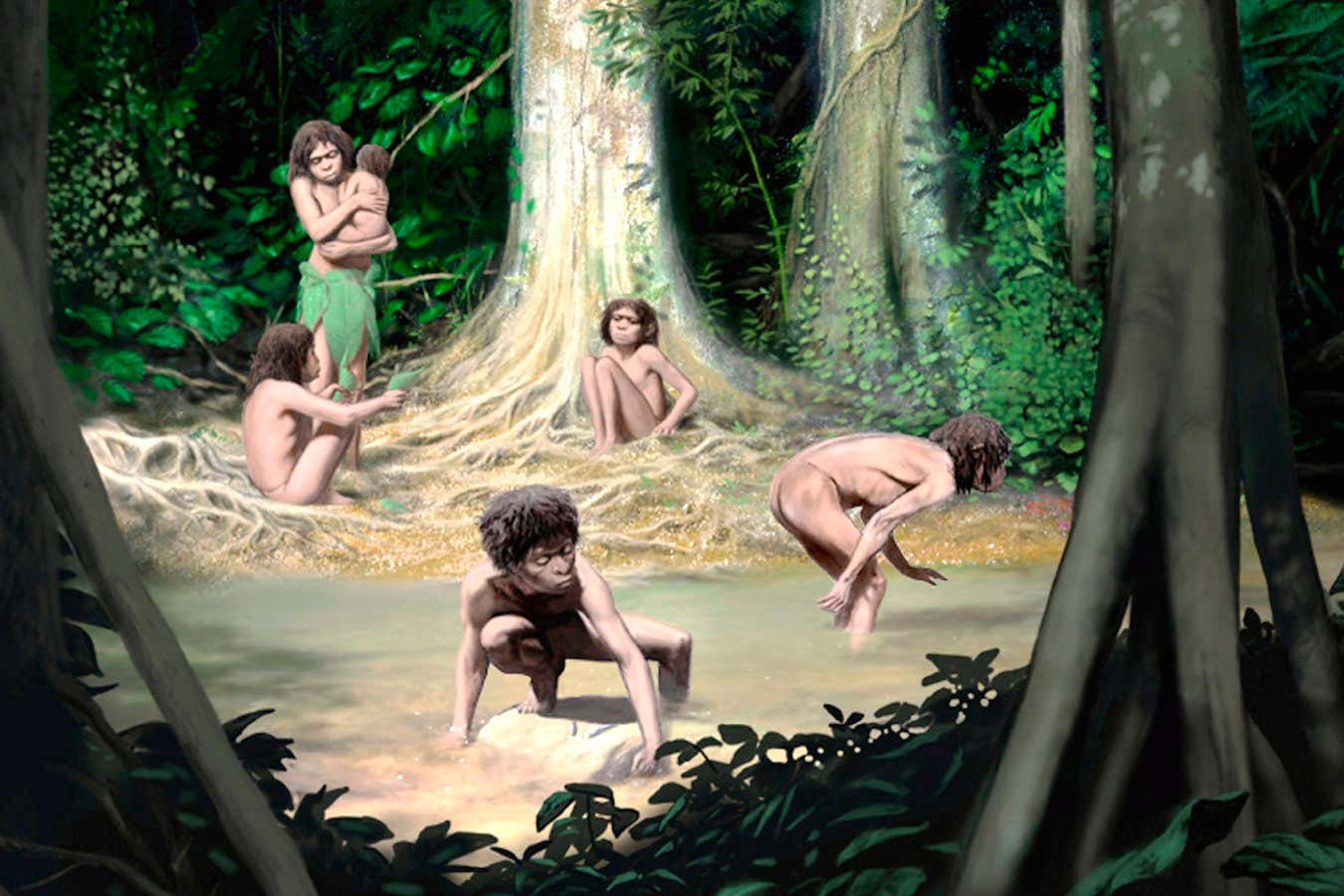
Hobbit Diet Reveals Interesting Relationship with Komodo
The discovery of Homo floresiensis, a species of human that lived on the Indonesian island of Flores from around 100,000 to 60,000 years ago, has long been a source of fascination for scientists. One aspect of this ancient species’ biology that has garnered significant attention in recent years is its diet, particularly its relationship with the Komodo dragon, a native predator of the island.
A groundbreaking experiment conducted on the island of Flores involved feeding a dead goat to a Komodo dragon as part of an effort to understand the dietary habits of Homo floresiensis. The researchers found that the Komodo dragon’s digestive system is capable of breaking down the bones and muscles of a goat, suggesting that it was likely able to consume large amounts of meat. This finding has significant implications for our understanding of the hobbit diet and its relationship with the island’s apex predator.
The Hobbit Diet: A Study in Resource Scavenging
The study of Homo floresiensis’ diet is complex and multifaceted, with many factors contributing to our understanding of this ancient species’ nutritional needs. One key aspect of their diet was likely composed of plant material, as evidenced by the presence of fossilized seeds and fruits on the island. However, it appears that Homo floresiensis was not a skilled hunter of big game, relying instead on scavenging for food.
The discovery of thousands of ancient bones on Flores has also provided valuable insights into the hobbit diet and its relationship with other species on the island. These bones, which date back to around 100,000 years ago, suggest that Homo floresiensis was a opportunistic omnivore, feeding on whatever resources were available to it. This finding is consistent with the idea that the species was not a skilled hunter of big game, but rather a scavenger that made use of whatever food sources were available.
The Role of Fire in Hobbit Diet
Fire has long been considered an essential tool for human survival, providing warmth, light, and a means of cooking food. However, it appears that Homo floresiensis may not have relied on fire to the same extent as modern humans. A study published recently in the journal Nature found that Homo floresiensis had relatively low levels of charred bone fragments, suggesting that they may not have used fire to cook their food.
This finding is significant, as it suggests that Homo floresiensis may not have had access to the same level of culinary sophistication as modern humans. Instead, they likely relied on a more primitive form of cooking, or perhaps simply ate their food raw. The lack of evidence for fire use also highlights the resource-scarce nature of the hobbit diet, which was likely composed of whatever food sources were available to them.
Conclusion
The study of Homo floresiensis’ diet has revealed a complex and multifaceted picture of this ancient species’ nutritional needs. While it appears that they did not rely on fire to cook their food, they likely made use of scavenging for resources and opportunistic omnivory. The relationship between the hobbit diet and the Komodo dragon is also an interesting one, suggesting that the two species may have had a symbiotic relationship on the island.
Overall, the study of Homo floresiensis’ diet provides valuable insights into the biology and ecology of this ancient species, highlighting the resource-scarce nature of their survival strategy. As we continue to learn more about our shared human history, it is clear that the hobbit diet will remain an important area of research for many years to come.
The study of Homo floresiensis’ diet also provides valuable insights into the ecological context in which they lived. The presence of fossilized seeds and fruits on the island suggests that the hobbit diet was heavily reliant on plant material, which would have provided a reliable source of nutrition during times of scarcity.
However, it is also clear that Homo floresiensis was not entirely dependent on plants for survival. The discovery of thousands of ancient bones on Flores, including those of large animals such as pigs and deer, suggests that they were opportunistic omnivores who made use of whatever food sources were available to them.
This finding has significant implications for our understanding of the hobbit diet and its relationship with other species on the island. For example, it is likely that Homo floresiensis had a complex relationship with the Komodo dragon, which was a major predator on the island. The presence of many Komodo dragon fossils on Flores suggests that the two species may have competed for resources, such as meat and bone. Related: Learn more about this topic.
In this context, it is interesting to consider the possibility that Homo floresiensis may have developed a “hobbit diet” in response to the presence of the Komodo dragon. This diet would have likely consisted of a mix of plant material, scavenged animal bones, and whatever other food sources were available on the island.
The concept of a “hobbit diet” is also worth noting in terms of its relevance to modern human health. While Homo floresiensis was a highly adaptable species that thrived in a resource-scarce environment, it is unlikely that humans could replicate this dietary strategy with success. Modern humans require a much more varied and nutrient-dense diet than the hobbit diet would have provided.
Despite these limitations, the study of Homo floresiensis’ diet provides valuable insights into the biology and ecology of our shared human history. By studying the adaptations and behaviors of ancient species like the hobbits, we can gain a deeper understanding of how humans evolved to thrive in different environments and how their dietary habits may have influenced their survival strategies.
Furthermore, the study of Homo floresiensis’ diet also highlights the importance of considering the broader ecological context in which human evolution took place. By studying the relationships between ancient species like the hobbits and other organisms on their island home, we can gain a more nuanced understanding of how humans interacted with and influenced their environment.
In conclusion, the study of Homo floresiensis’ diet is an exciting area of research that provides valuable insights into the biology and ecology of this ancient species. By exploring the complex relationships between Homo floresiensis and other organisms on the island, we can gain a deeper understanding of how humans evolved to thrive in different environments and how their dietary habits may have influenced their survival strategies.
The discovery of the hobbit diet also raises interesting questions about the potential benefits of adopting similar dietary strategies. While the hobbit diet was likely highly effective for survival in its original context, it is unlikely that modern humans could replicate its success with ease. However, studying the adaptations and behaviors of ancient species like Homo floresiensis may provide valuable insights into how to develop more sustainable and resilient food systems.
Ultimately, the study of Homo floresiensis’ diet provides a fascinating glimpse into our shared human history, highlighting the resource-scarce nature of the hobbit’s survival strategy and its complex relationships with other organisms on the island. As we continue to learn more about our ancient ancestors, it is clear that the hobbit diet will remain an important area of research for many years to come.