
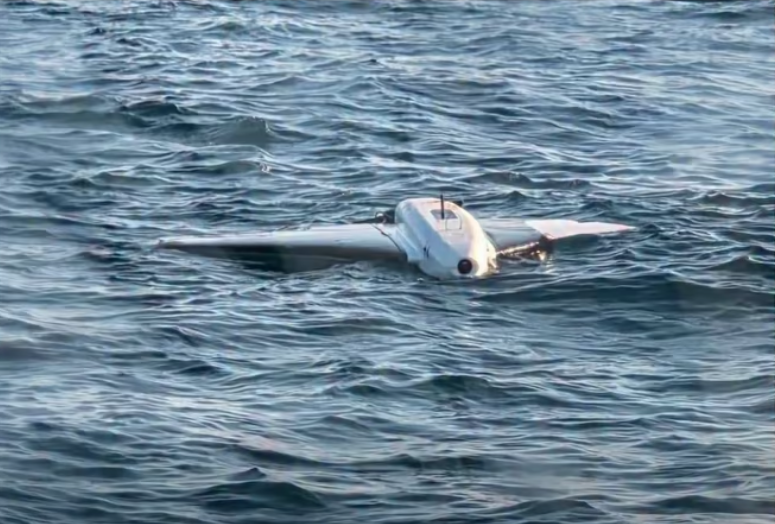
Russian Drone Attacks Rock Vital European Offshore Gas Site
Russian drone attacks have once again sent shockwaves through the energy sector, this time targeting a critical offshore gas site in Europe. The incidents, which follow a series of drone incursions into Romania and a failed attack in Germany, have raised concerns about the growing threat posed by Russian drones to global energy security.
## Escalation of Drone Incursions
Over the past year, there has been an alarming increase in reported cases of drone incursions into European airspace. In recent months alone, numerous instances of drones breaching Romanian air defenses and attempting to reach sensitive military installations have been documented. The latest attack on the offshore gas site marks a significant escalation of this trend.
According to eyewitnesses, multiple Russian-made drones were spotted approaching the facility in question, which is operated by a leading European energy company. The drones, believed to be equipped with explosives or other malicious devices, were reportedly tracked by air defense systems before being intercepted and shot down.
The fact that these attacks were able to reach as far as Europe’s offshore gas fields highlights the sophistication and persistence of Russian drone capabilities. It also underscores the need for greater cooperation between European nations to share intelligence and best practices in countering this threat.
## Rising Concerns About Vulnerabilities
While the exact details of the attack on the offshore gas site are still being investigated, it is clear that the incident highlights a growing concern about vulnerabilities in Europe’s energy infrastructure. The use of drones as a means of disrupting energy supplies has long been considered a potential risk by security experts, and recent events have validated this assessment.
One key factor contributing to these vulnerabilities is the lack of effective air defenses across much of Europe. Unlike North America or the Middle East, where robust air defense systems are in place to protect against drone threats, many European countries lack the necessary infrastructure to detect and intercept such threats in real-time.
This vulnerability was starkly illustrated by a failed attack on a German gas facility last month, which saw multiple drones attempt to breach the site’s defenses before being intercepted. The incident highlighted the need for greater investment in air defense systems across Europe, as well as more effective coordination between governments and industry stakeholders to address this growing threat.
## Global Implications
Related: Learn more about this topic.
The impact of Russian drone attacks on European energy security extends far beyond the physical disruption caused by these incidents. The global implications of such an escalation are profound, particularly for countries that rely heavily on imported energy supplies.
A sustained campaign of drone attacks against European energy infrastructure would not only pose a significant threat to regional energy security but also have broader global consequences. It could disrupt global supply chains, drive up energy prices, and even spark a new era of conflict in the energy sector.
As tensions between Russia and Europe continue to escalate, it is essential that governments and industry stakeholders take these threats seriously and begin to develop more effective countermeasures. This may involve greater investment in air defense systems, as well as more effective coordination with international partners to address this growing threat.
In the meantime, the incident on the offshore gas site serves as a stark reminder of the risks posed by Russian drone attacks to global energy security. As the situation continues to unfold, one thing is clear: Europe and the world must be prepared to face these threats head-on if they are to ensure a stable and secure energy future.