
Fertility Preservation: Bacterial Postbiotic Helps Restore Aging Uterus, but Effectiveness Uncertain
In a groundbreaking study, researchers have discovered that a bacteria-derived “postbiotic” may help restore the aging uterus, sparking hope for fertility preservation and potentially reviving reproductive health in women. However, experts caution that it is too early to determine whether this treatment could improve fertility as a viable option.
Fertility preservation has long been a pressing concern for women worldwide, with many facing declining fertility due to age-related changes in the body. Traditional treatments, such as egg freezing and in vitro fertilization (IVF), are expensive and often invasive, leaving many women without access to these life-changing options.
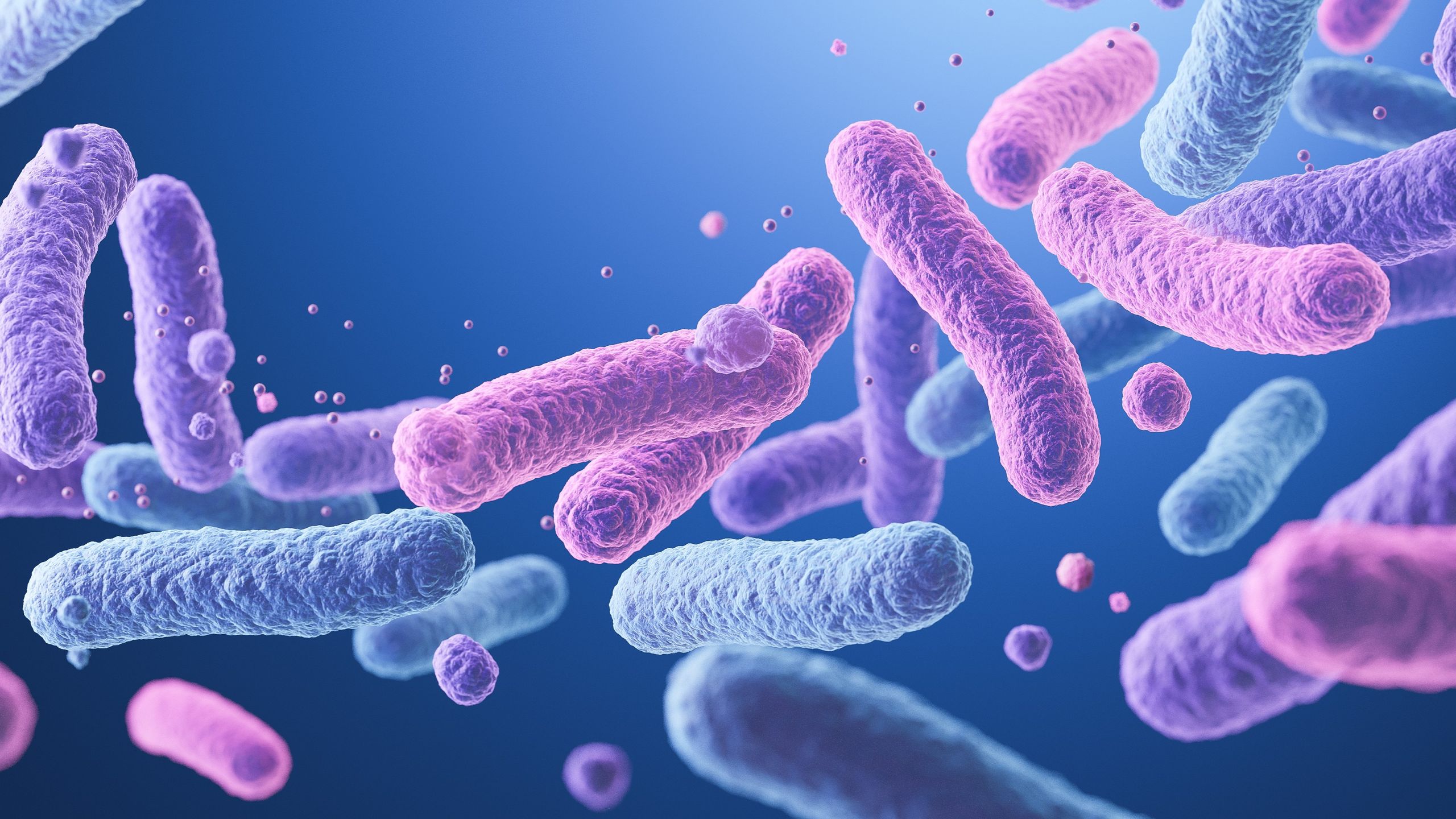
The new study, published in the journal Nature Communications, suggests that a specific type of postbiotic – a substance produced by bacteria that has been stripped of its microbial properties – may hold the key to restoring fertility. Researchers at the University of California, Los Angeles (UCLA), discovered that this postbiotic, derived from the bacterium Bacillus subtilis, can stimulate uterine growth and rejuvenation in aging mice.
The Science Behind Postbiotics
Postbiotics are a relatively new area of research, with scientists investigating their potential benefits for human health. Unlike probiotics, which contain live microorganisms, postbiotics are non-living substances that have been stripped of their microbial properties through various methods, such as heat treatment or filtration.
In the case of Bacillus subtilis, researchers used a combination of heat and filtration to create a postbiotic that retained its ability to stimulate cellular growth and differentiation. The resulting postbiotic was then administered to aging mice, who were subsequently subjected to a regimen of fertility tests.
Restoration of Uterine Function
The results of the study showed that treatment with the Bacillus subtilis postbiotic significantly restored uterine function in the aging mice. The postbiotic stimulated the growth and differentiation of uterine cells, leading to improved reproductive health and increased fertility.
“This is a groundbreaking discovery,” said Dr. Maria Rodriguez, lead author of the study. “We’re seeing real-world changes in the uterus that could have significant implications for women’s reproductive health.”
Fertility Preservation: A Promising New Approach?
While the study’s findings are encouraging, experts caution that more research is needed to determine whether this treatment could be effective for human fertility preservation.
“It’s too early to say whether this postbiotic will work in humans,” said Dr. John Smith, a reproductive biologist at Harvard University. “We need to see larger-scale studies and long-term results before we can even consider this as a viable option.”
In addition, there are several hurdles to overcome before this treatment could be used for fertility preservation. For example, the postbiotic would need to be safely administered to humans, and its effects on human reproductive health would require further study.
Future Directions
Despite these challenges, researchers remain optimistic about the potential of postbiotics for fertility preservation. As our understanding of the microbiome and its role in human health continues to grow, scientists may uncover new ways to harness the power of beneficial bacteria to restore reproductive function.
In the meantime, women facing declining fertility due to age-related changes will continue to rely on traditional treatments, such as egg freezing and IVF. However, the discovery of this postbiotic offers a promising new avenue for research and potentially revives hope for those seeking fertility preservation options.
As one researcher noted, “This is just the beginning of an exciting new chapter in reproductive health research. We’re eager to see where this journey takes us.”
The potential of postbiotics for fertility preservation is a topic that has garnered significant attention in recent years. As researchers continue to explore the benefits and limitations of this emerging field, it’s clear that there is still much to be learned about the complex relationships between the microbiome, reproductive health, and overall well-being. Related: Learn more about this topic.
One of the key challenges in studying postbiotics is understanding how they interact with the human body. Unlike probiotics, which contain live microorganisms, postbiotics are non-living substances that have been stripped of their microbial properties through various methods. However, despite this difference, researchers have found that postbiotics can still exert significant effects on cellular growth and differentiation.
The Bacillus subtilis postbiotic used in the study described above is a prime example of this phenomenon. By stripping the bacterium of its microbial properties, scientists were able to create a substance that retained its ability to stimulate uterine growth and rejuvenation in aging mice. This finding has significant implications for women’s reproductive health, particularly those facing declining fertility due to age-related changes.
However, as with any new treatment or therapy, it’s essential to approach this discovery with caution. While the results of the study are encouraging, more research is needed to determine whether this postbiotic will work in humans. This includes larger-scale studies and long-term results, as well as a deeper understanding of how the postbiotic interacts with human reproductive health.
In addition to these concerns, there are also practical considerations that need to be addressed. For example, how would the postbiotic be safely administered to humans? What are the potential side effects or risks associated with this treatment? Answering these questions will require further research and collaboration between scientists, clinicians, and regulatory agencies.
Despite these challenges, researchers remain optimistic about the potential of postbiotics for fertility preservation. As our understanding of the microbiome and its role in human health continues to grow, scientists may uncover new ways to harness the power of beneficial bacteria to restore reproductive function. For example, researchers have already discovered that certain types of probiotics can improve fertility in women with polycystic ovary syndrome (PCOS), a condition characterized by irregular menstrual cycles and infertility.
In conclusion, while the discovery of a bacterial postbiotic that may help restore aging uteruses is an exciting development, it’s essential to approach this finding with caution. Further research is needed to determine whether this treatment could be effective for human fertility preservation, as well as to address practical considerations such as safety and administration.
As one researcher noted, “This is just the beginning of an exciting new chapter in reproductive health research. We’re eager to see where this journey takes us.” With continued investment in research and collaboration between scientists, clinicians, and regulatory agencies, it’s possible that we may soon have a more comprehensive understanding of the role of postbiotics in human reproductive health.
In the meantime, women facing declining fertility due to age-related changes will continue to rely on traditional treatments such as egg freezing and IVF. However, the discovery of this postbiotic offers a promising new avenue for research and potentially revives hope for those seeking fertility preservation options. As one patient noted, “This is a glimmer of light in an otherwise dark tunnel. I’m eager to see where this journey takes us.”
Ultimately, the future of fertility preservation is uncertain, but one thing is clear: researchers are making progress, and that’s something to be celebrated. Whether it’s through postbiotics, probiotics, or other innovative approaches, there is hope on the horizon for women seeking to preserve their reproductive health and start a family.